References
[1] Jia Deng, Wei Dong, Richard Socher, Li-Jia Li, Kai Li, and Li Fei-Fei. 2009. ImageNet: A large-scale hierarchical image database. In 2009 IEEE Conference on Computer Vision and Pattern Recognition, June 2009. 248–255. . https://doi.org/10.1109/CVPR.2009.5206848
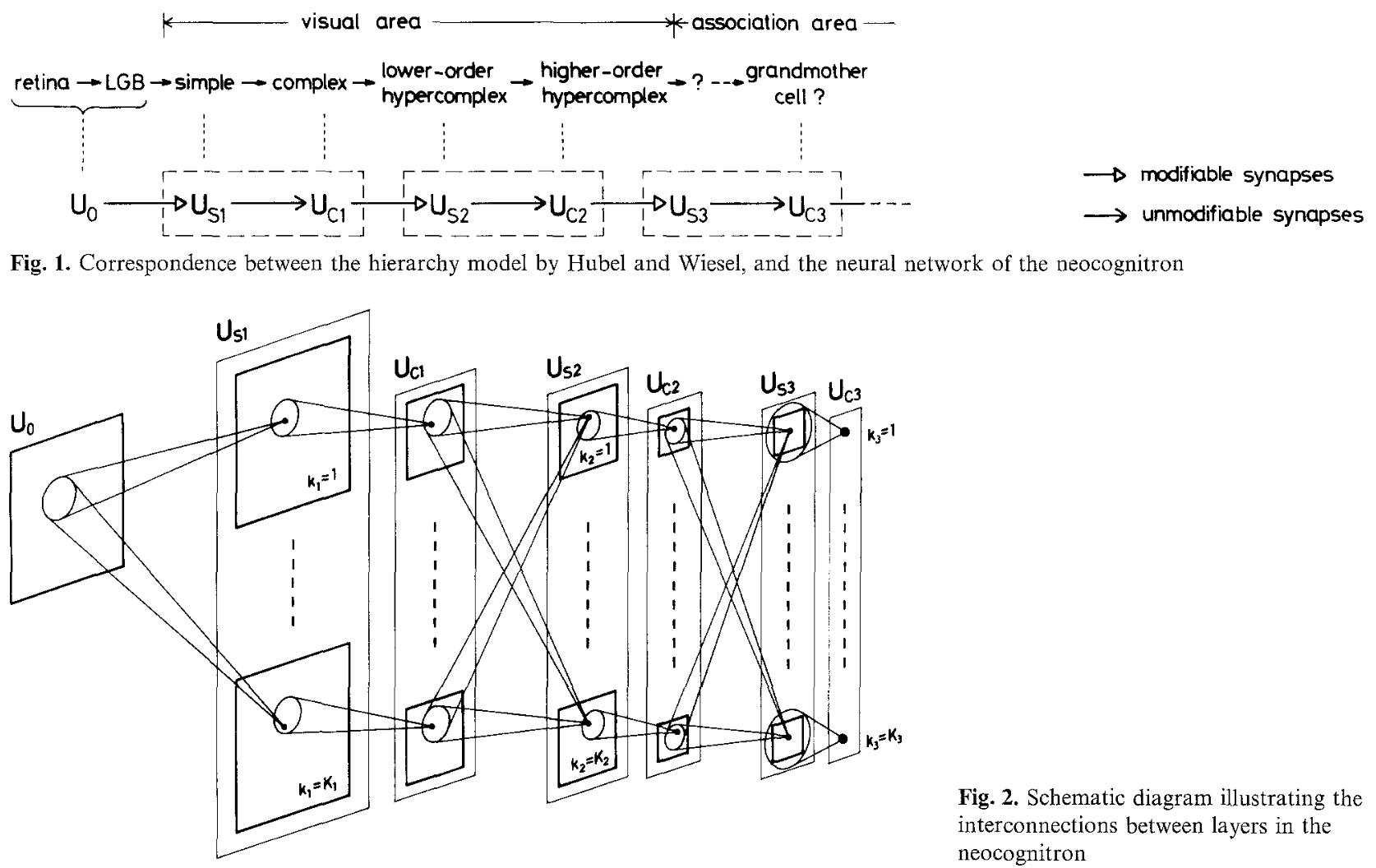
[2] Kunihiko Fukushima. 1988. Neocognitron: A hierarchical neural network capable of visual pattern recognition. Neural Networks 1, 2 (January 1988), 119–130. https://doi.org/10.1016/0893-6080(88)90014-7
[3] Zabit Hameed, Begonya Garcia-Zapirain, José Javier Aguirre, and Mario Arturo Isaza-Ruget. 2022. Multiclass classification of breast cancer histopathology images using multilevel features of deep convolutional neural network. Sci Rep 12, 1 (September 2022), 15600. https://doi.org/10.1038/s41598-022-19278-2
[4] Lei He, L. Rodney Long, Sameer Antani, and George R. Thoma. 2012. Histology image analysis for carcinoma detection and grading. Computer Methods and Programs in Biomedicine 107, 3 (September 2012), 538–556. https://doi.org/10.1016/j.cmpb.2011.12.007
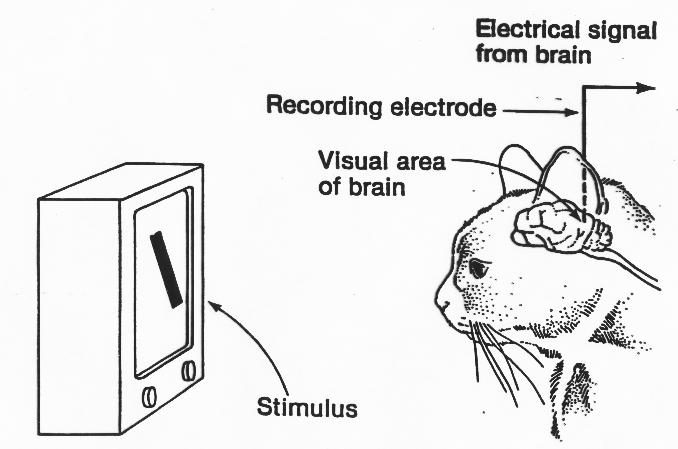
[5] D. H. Hubel and T. N. Wiesel. 1959. Receptive fields of single neurones in the cat’s striate cortex. J Physiol 148, 3 (October 1959), 574–591.
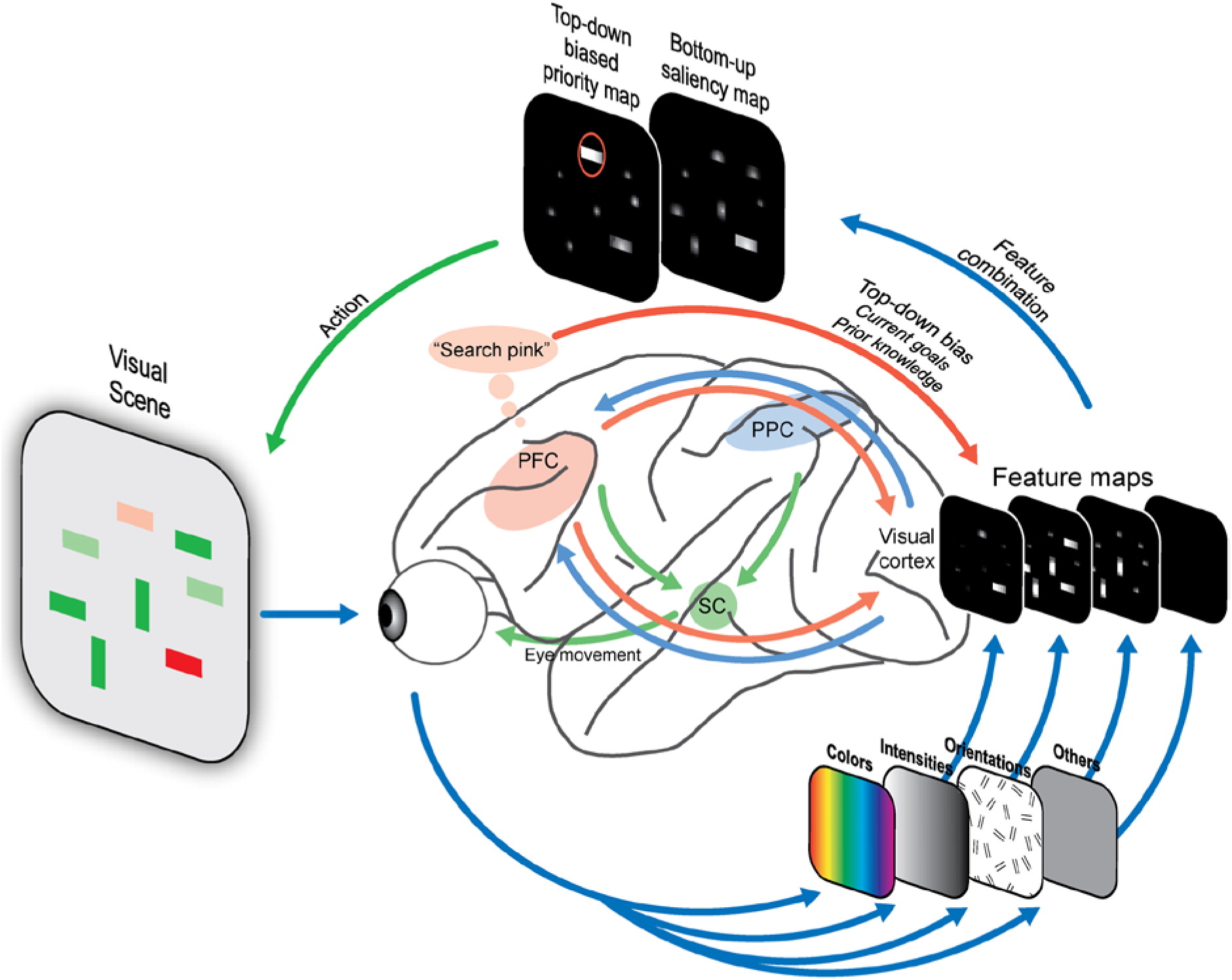
[6] Fumi Katsuki and Christos Constantinidis. 2014. Bottom-Up and Top-Down Attention: Different Processes and Overlapping Neural Systems. Neuroscientist 20, 5 (October 2014), 509–521. https://doi.org/10.1177/1073858413514136
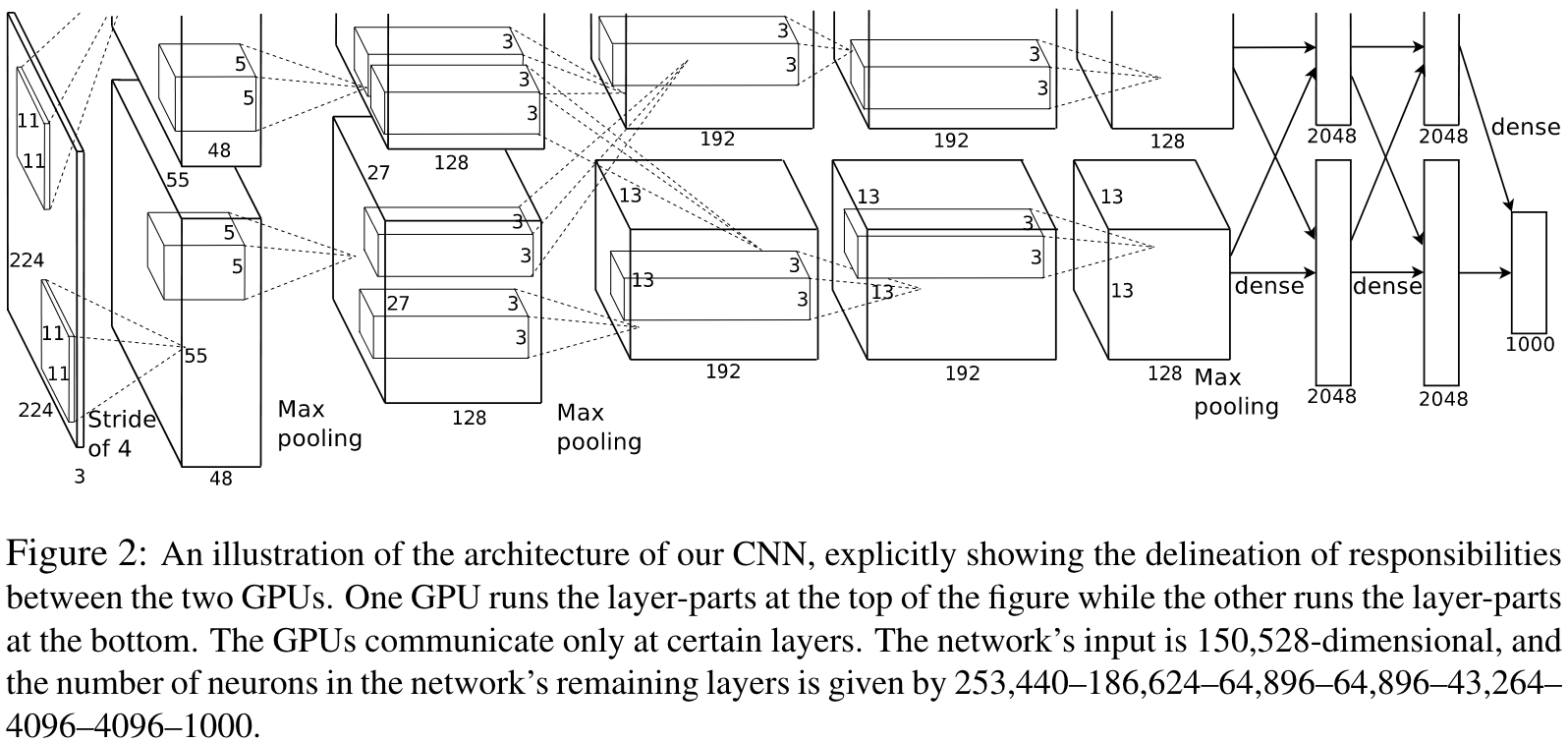
[7] Alex Krizhevsky, Ilya Sutskever, and Geoffrey E Hinton. 2012. ImageNet Classification with Deep Convolutional Neural Networks. In Advances in Neural Information Processing Systems, 2012. Curran Associates, Inc. . Retrieved December 1, 2023 from https://papers.nips.cc/paper_files/paper/2012/hash/c399862d3b9d6b76c8436e924a68c45b-Abstract.html
[8] Brajesh Kumar. 2021. Convolutional Neural Networks: A Brief History of their Evolution. AppyHigh Blog. Retrieved December 1, 2023 from https://medium.com/appyhigh-technology-blog/convolutional-neural-networks-a-brief-history-of-their-evolution-ee3405568597
[9] Yann LeCun, Leon Bottou, Yoshua Bengio, and Patrick Ha. 1998. Gradient-Based Learning Applied to Document Recognition. (1998).
[10] Niall O’ Mahony, Sean Campbell, Anderson Carvalho, Suman Harapanahalli, Gustavo Velasco-Hernandez, Lenka Krpalkova, Daniel Riordan, and Joseph Walsh. 2020. Deep Learning vs. Traditional Computer Vision. https://doi.org/10.1007/978-3-030-17795-9
[11] Irhum Shafkat. 2018. Intuitively Understanding Convolutions for Deep Learning. Medium. Retrieved December 3, 2023 from https://towardsdatascience.com/intuitively-understanding-convolutions-for-deep-learning-1f6f42faee1
[12] Richard Szeliski. 2022. Computer Vision: Algorithms and Applications. Springer International Publishing, Cham. https://doi.org/10.1007/978-3-030-34372-9
[13] Xiongwei Wu, Doyen Sahoo, and Steven C. H. Hoi. 2020. Recent advances in deep learning for object detection. Neurocomputing 396, (July 2020), 39–64. https://doi.org/10.1016/j.neucom.2020.01.085
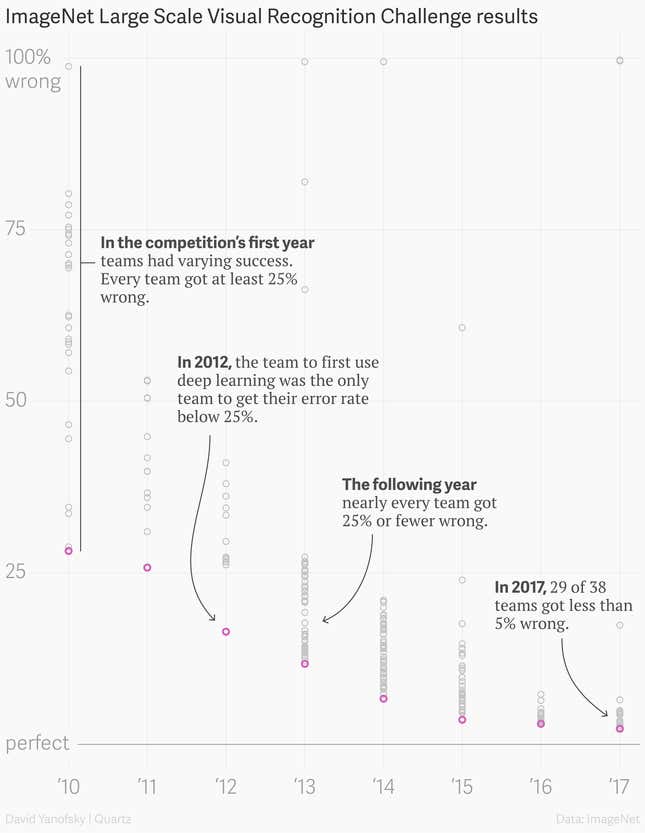
[14] 2017. The data that transformed AI research—and possibly the world. Quartz. Retrieved December 1, 2023 from https://qz.com/1034972/the-data-that-changed-the-direction-of-ai-research-and-possibly-the-world
[15] A Brief History of Computer Vision (and Convolutional Neural Networks) | HackerNoon. Retrieved December 1, 2023 from https://hackernoon.com/a-brief-history-of-computer-vision-and-convolutional-neural-networks-8fe8aacc79f3
[16] CS5670: Introduction to Computer Vision, Spring 2023 – Cornell Tech. Retrieved December 2, 2023 from https://www.cs.cornell.edu/courses/cs5670/2023sp/